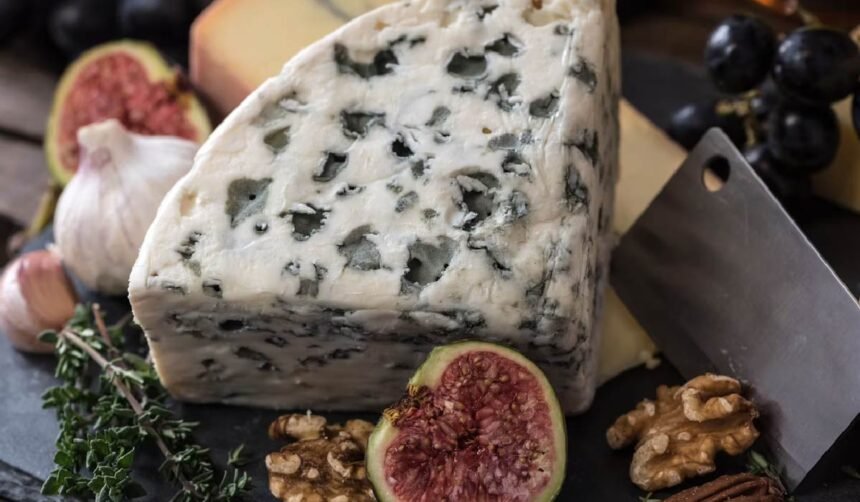
Have you ever wanted to enjoy blue cheese but found its sharp smell or salty bite too strong? Masgonzola may offer a gentler place to start. It combines the rich softness of mascarpone with the tangy character of Gorgonzola, creating a cheese product that feels creamy before its blue-cheese flavor comes through.
You may see it sold as Masgonzola, Gorgonzola with mascarpone, or mascarpone and Gorgonzola. The exact name and preparation can vary between producers, so it is important to read the label rather than assume every version is identical.
In this guide, you will learn what Masgonzola is, how it is made, how to serve it, and how it compares with other creamy cheeses.
What Is Masgonzola?
Masgonzola is a combination of mascarpone and Gorgonzola. Mascarpone is a thick, mild Italian cream cheese, while Gorgonzola is an Italian blue-veined cheese with a stronger, saltier taste.
Many commercial versions are made by placing alternating layers of mascarpone and mild Gorgonzola together. The mascarpone layers are smooth and pale, while the Gorgonzola layers are firmer and marked with blue-green veins. Some products may use a blended or differently layered format, depending on the maker.
Think of it as a strong cup of coffee softened with cream. You can still taste the distinctive blue cheese, but the mascarpone rounds off some of its sharper edges.
Masgonzola may appeal to you when you:
- Like creamy cheeses with a little tang.
- Want to try blue cheese without starting with a very pungent variety.
- Need a cheese that can be spread, melted, or served on a board.
- Enjoy sweet-and-savory combinations such as cheese with pears or honey.
It is worth noting that “Masgonzola” is not a single protected cheese variety with one universal recipe. The term is often used informally or commercially for products combining mascarpone and Gorgonzola. Recipes, proportions, texture, and strength can therefore differ.
The Background of Masgonzola
Masgonzola brings together two Italian dairy traditions. Gorgonzola has a long history in northern Italy and is now protected by European Union rules under its Protected Designation of Origin, or PDO, status. This protection controls where authentic Gorgonzola can be produced and how it must be made.
Mascarpone is a much milder dairy product made from cream. Its smooth texture makes it useful in both savory dishes and desserts. Combining it with Gorgonzola creates a product that preserves some blue-cheese character while making the overall taste softer and creamier.
Reliable evidence does not point to one inventor or an exact date when this combination first appeared. It is better understood as a modern cheese preparation rather than a historic cheese with a clearly documented origin story.
Main Features of Masgonzola
Although products vary, most versions share several basic qualities.
- Layered appearance: Many versions have visible stripes of white mascarpone and blue-veined Gorgonzola. This makes the cheese easy to recognize on a serving board.
- Creamy texture: Mascarpone adds softness and moisture, so the product is usually easier to spread than firm or aged blue cheese.
- Milder blue flavor: The Gorgonzola still contributes saltiness and tang, but the cream reduces its intensity.
- Good melting ability: The soft, fatty texture allows it to melt into pasta, sauces, risotto, or warm toppings.
- Sweet-and-savory flexibility: You can pair it with fruit and honey or use it with mushrooms, onions, meat, and pasta.
These features depend on the ratio of the two cheeses. A product containing more Gorgonzola will usually taste stronger, while one with thicker mascarpone layers may seem milder and richer.
How Masgonzola Is Made
There is no single production standard for every product called Masgonzola. However, a typical layered version is prepared through a simple process.
First, the producer makes or sources mascarpone. Mascarpone is produced by thickening cream with acid and then draining it until it develops a dense, smooth consistency.
Next, the producer selects Gorgonzola, often a softer and milder style. Gorgonzola Dolce is especially suitable because it has a creamy texture that works well beside mascarpone.
The two cheeses are then arranged in alternating layers. This method keeps the flavors partly separate, so each bite may contain a slightly different balance of mild cream and tangy blue cheese. Producers may shape the layers into a block, round, or small packaged portion.
The finished product is kept refrigerated and is usually intended to be eaten relatively fresh. Packaging and storage instructions vary, so always follow the date and directions printed on the product you buy.
How to Use Masgonzola
Masgonzola requires very little preparation. Its main strength is that you can use it in simple snacks as easily as in cooked meals.
- Bring it closer to room temperature.
Remove the amount you plan to serve from the refrigerator shortly before eating. A slightly warmer cheese is softer and usually has a fuller flavor. Do not leave it unrefrigerated for an extended period. - Cut through both layers.
Slice or scoop the cheese so each serving contains mascarpone and Gorgonzola. This gives you the intended balance rather than a mouthful of only one component. - Serve it with simple foods.
Spread it on crusty bread, toast, or plain crackers. Mild bases work well because they do not compete with the cheese. - Add a sweet contrast.
Pair it with pears, apples, figs, grapes, honey, or fruit preserves. Start with a small amount of sweetness so you can still taste the cheese. - Melt it gently.
Stir it into warm pasta, risotto, mashed potatoes, or a pan sauce over low heat. High heat may cause a fatty sauce to separate, so avoid boiling it hard. - Balance the finished dish.
Taste before adding salt. Gorgonzola can already be salty, and extra seasoning may make the dish too strong.
Main Benefits of Masgonzola
A More Approachable Blue-Cheese Flavor
Masgonzola gives you the recognizable tang of blue cheese in a softer form. The mascarpone adds a mild, buttery quality that reduces the impact of the Gorgonzola.
For example, someone who dislikes a firm, pungent blue cheese may still enjoy a small amount of Masgonzola spread on bread with sliced pear.
Useful in Many Types of Meals
You can serve Masgonzola cold, warm, spread, sliced, or melted. This flexibility makes it useful when you do not want to buy a cheese that works in only one recipe.
A leftover portion from a cheese board could become a pasta sauce the next day. You could also melt it over roasted vegetables or stir it into mashed potatoes.
Easy to Serve
Masgonzola does not require special cooking skills. Bread, fruit, nuts, and the cheese itself can create a simple appetizer in minutes.
Its layered appearance also gives a cheese board visual interest without requiring complicated presentation.
Adds Creaminess and Flavor Together
Some recipes need both richness and a savory edge. Masgonzola provides these qualities in one ingredient, which may reduce the need to add separate cream and blue cheese.
For instance, a small piece stirred into hot pasta can create a quick coating with more depth than plain cream cheese.
Possible Limitations and Things to Consider
Masgonzola is rich, and serving sizes can add up quickly. Because recipes differ, there is no single reliable calorie, fat, protein, or sodium figure for every product. Check the nutrition panel on your package, especially when you monitor saturated fat, sodium, or total calories.
The cheese is made from dairy and is unsuitable for anyone with a milk allergy. People with lactose intolerance may also react differently depending on the product and serving size. A healthcare professional can provide personal guidance when dietary reactions are a concern.
Pregnant people and anyone with a weakened immune system should check whether the product was made with pasteurized milk and follow local food-safety advice. Do not assume that every imported or artisan cheese uses the same type of milk.
You should also consider the following before buying:
- Is the product layered or fully blended?
- Does the label specify Gorgonzola PDO?
- Is the flavor described as mild or strong?
- How soon must it be eaten after opening?
- Does the package contain allergens or ingredients you avoid?
Availability may be limited outside specialist cheese shops, Italian food stores, and well-stocked supermarkets. The price will vary by country, producer, package size, and whether authentic Gorgonzola PDO is used.
Masgonzola Compared With Alternatives
Masgonzola vs. Gorgonzola
Both contain the flavor of blue-veined Gorgonzola. However, ordinary Gorgonzola is served by itself, while Masgonzola includes mild mascarpone.
Choose Masgonzola when you want a creamier texture and softer taste. Choose Gorgonzola when you want the blue cheese to be the main flavor or need a more traditional option.
Masgonzola vs. Gorgonzola Dolce
Gorgonzola Dolce is already one of the softer and milder forms of Gorgonzola. It is creamy but still has a more concentrated blue-cheese flavor than a layered mascarpone product.
Gorgonzola Dolce may suit experienced blue-cheese eaters who want a smooth texture without diluting the flavor. Masgonzola may be easier for beginners.
Masgonzola vs. Mascarpone
Mascarpone is mild, creamy, and useful in desserts and savory dishes. It does not have the blue veins, salty tang, or earthy flavor found in Masgonzola.
Use plain mascarpone when you want a neutral creamy base. Use Masgonzola when the dish needs both richness and a noticeable savory accent.
Masgonzola vs. Cream Cheese
Cream cheese is usually tangy but does not taste like blue cheese. It is widely available and may be easier to use in mild spreads, baking, and desserts.
Masgonzola has a more complex flavor and works especially well in savory dishes. It is not a direct replacement in every recipe, particularly in sweet baking.
Final Thoughts
Masgonzola combines smooth mascarpone with blue-veined Gorgonzola to create a rich but relatively gentle cheese experience. Many versions are layered rather than fully blended, and there is no single recipe shared by every producer.
You can enjoy it on bread, pair it with fruit, add it to a cheese board, or melt it into a simple sauce. Before buying, check the label for ingredients, milk treatment, nutrition information, storage directions, and the type of Gorgonzola used.
A practical first step is to try a small portion with plain bread and sliced pear. This simple pairing will help you decide whether you prefer its creamy side, its blue-cheese tang, or a stronger alternative.
FAQs
Is Masgonzola suitable for people who do not like blue cheese?
It may be more approachable than stronger blue cheeses because mascarpone softens the salty, tangy flavor. However, it still contains Gorgonzola and will retain some blue-cheese aroma and taste. Start with a small serving alongside bread or sweet fruit if you are unsure.
How much does Masgonzola cost, and where can you find it?
Prices vary by location, producer, package size, and ingredients, so there is no dependable universal price. Look in specialist cheese shops, Italian grocery stores, delicatessens, and larger supermarkets. It may also be labeled “Gorgonzola and mascarpone” rather than Masgonzola.
Is Masgonzola easy to cook with?
Yes. You can spread it directly or melt it into pasta, risotto, sauces, and vegetables. Use gentle heat and stir it in gradually. Taste the food before adding salt because the Gorgonzola portion may already provide enough seasoning.
Is Masgonzola safe during pregnancy?
Safety depends on the milk used, the production process, storage, and local health guidance. Check whether the label says the cheese was made with pasteurized milk. Pregnant people should follow advice from their healthcare provider or local food-safety authority, especially for soft and blue cheeses.
What results should you expect when using Masgonzola in a recipe?
You can expect extra creaminess with a mild-to-moderate blue-cheese taste. The exact result depends on the product’s mascarpone-to-Gorgonzola ratio. A small amount may add gentle depth, while a larger portion can make the dish richer, saltier, and more clearly blue-flavored.
For Latest Updates: Melody Magazine