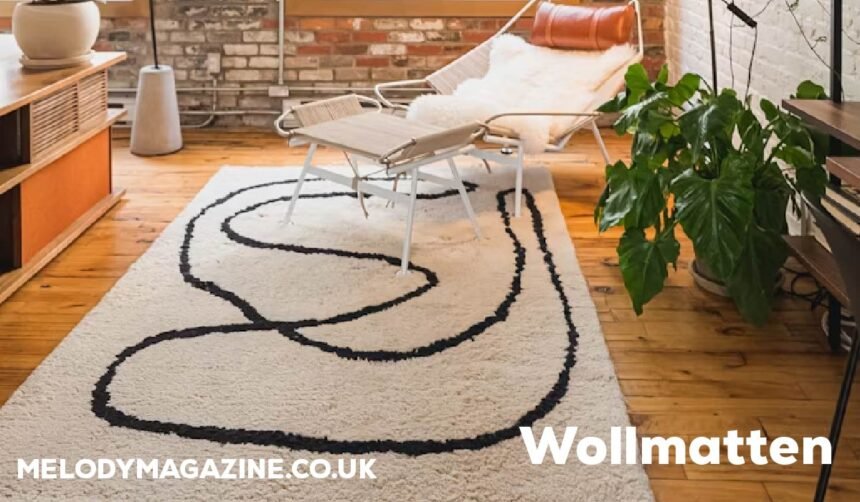
Cold or hard floors can make a room feel less comfortable. They can also create more noise and leave the space looking bare. A wool mat can help by adding warmth, softness, and texture. Wollmatten is the German word for wool mats. These mats can be woven, felted, thick, thin, plain, or patterned. People use them as floor coverings, runners, decorative pieces, exercise surfaces, and protective pads under furniture.
This guide explains what Wollmatten are, how they are made, where they work best, and what to consider before buying one.
What Are Wollmatten?
Wollmatten are mats made mainly from wool fibers. Most wool comes from sheep, although some products may use wool from alpacas, goats, or other animals.
Some mats are made from pure wool, while others are blended with materials such as cotton, polyester, nylon, or viscose. Always check the label so you know exactly what you are buying.
A Wollmatte works much like a small wool rug. It can protect the floor, provide cushioning, make a room feel warmer, and add visual interest.
Wollmatten may be useful for:
- Homeowners who want a softer floor covering
- Renters who need a removable mat
- People who prefer natural materials
- Yoga or meditation users
- Interior designers adding texture to a room
- Businesses furnishing waiting rooms or lounge areas
People often choose wool mats because they feel comfortable, look natural, and can last for years with proper care.
The Background of Wool Mats
People have used wool to make clothing, blankets, carpets, and household textiles for thousands of years. Wool became popular because it could be spun into yarn, woven into fabric, or pressed into felt.
Wool mats developed in many parts of the world rather than coming from one single culture. Woven carpets became common across parts of Asia, the Middle East, and Europe. Felted wool was also widely used in colder regions because it created a dense and insulating material.
Traditional wool mats often reflected the culture of the people who made them. Some featured geometric shapes, floral patterns, natural colors, or detailed handwoven designs.
Today, Wollmatten are made by both artisans and large manufacturers. You can find handmade pieces with small variations as well as machine-made mats with a more even finish.
Main Types of Wollmatten
The best type depends on where you plan to use the mat and what you want it to do.
Felted Wool Mats
Felt is made by pressing and binding wool fibers together with moisture, heat, pressure, or movement.
Felted mats are usually dense, firm, and simple in appearance. They may work well under furniture, beside a bed, in a meditation space, or as protective pads.
Woven Wool Mats
Woven mats are made by crossing wool yarns on a loom. They may be flat and lightweight or thick with a raised surface.
Flat-woven mats are easier to place under doors and furniture. Thicker mats provide more cushioning and may feel softer underfoot.
Handwoven Mats
Handwoven Wollmatten are made manually or with a hand-operated loom.
They often have small differences in shape, texture, or pattern. These variations are usually part of their handmade character.
Handwoven mats may appeal to people who value traditional skills and individual design. They can also require more careful cleaning.
Machine-Made Mats
Machine-made mats are produced with automated equipment.
Their size, thickness, and pattern are usually more consistent than those of handmade mats. They are also easier to find in standard sizes.
Quality still varies, so check the wool content, edge finish, backing, and care instructions before buying.
Wool-Blend Mats
A wool-blend mat combines wool with another fiber, such as cotton, polyester, nylon, or viscose.
The added material may affect the mat’s feel, weight, durability, price, and cleaning needs. A blend is not always lower quality, but it will behave differently from a pure-wool mat.
How Wollmatten Are Made
The production method depends on the type of mat, but most Wollmatten go through several basic stages.
First, wool is collected by shearing the animal. The raw fleece contains natural oils, dust, and pieces of plant material, so it must be sorted and washed.
Next, the fibers are carded. Carding separates and lines up the wool fibers so they can be spun or felted.
For woven mats, the fibers are spun into yarn. The yarn is then woven, tufted, or knitted into the required shape.
For felted mats, loose wool fibers are layered and pressed together until they form a dense sheet.
The wool may also be dyed before or after it is shaped. Dyeing methods vary, so a wool product should not automatically be described as environmentally friendly without more information about how it was made.
Finally, the edges may be trimmed or bound. Some mats also receive a nonslip backing or a separate protective layer.
How to Use a Wollmatte
- Measure the space.
Measure the floor before buying. Check nearby doors, furniture, vents, and walkways. A thick mat may stop a low door from opening properly. - Choose the right thickness.
Use a low-pile or dense mat in a busy hallway. Choose a thicker and softer mat for a bedroom, reading corner, or other quiet area. - Clean the floor first.
Make sure the floor is clean and dry before placing the mat. Dirt trapped underneath may scratch the surface. - Use a suitable rug pad.
Add a nonslip pad if the mat moves on tile, wood, laminate, or another smooth floor. Check that the pad is safe for your flooring. - Keep the edges flat.
Position the mat so the corners do not curl upward. Avoid placing a loose mat near stairs or other areas where someone could trip. - Rotate the mat.
Turn it every few months so sunlight and foot traffic affect it more evenly. - Blot spills quickly.
Press a clean cloth onto the spill instead of rubbing it. Rubbing may spread the stain or damage the fibers.
Main Benefits of Wollmatten
They Feel Warmer Underfoot
Wool fibers hold small pockets of air. This can make a mat feel warmer than bare tile, concrete, or wood.
For example, placing a Wollmatte beside your bed can make cold mornings more comfortable.
A wool mat will not heat the room, but it can reduce direct contact with a cold floor.
They Can Soften Everyday Noise
Hard surfaces reflect sound. Textile surfaces absorb some of it.
A wool mat may reduce the sound of footsteps, moving chairs, and general room echo. A large, thick mat will usually have more effect than a small, thin one.
It will not soundproof the room, but it can make the space feel quieter.
They Add Natural Texture
Wool has a soft, slightly uneven texture that can make a room feel warmer and less plain.
A simple felt mat works well in a modern or minimal room. A patterned woven mat can become the main feature in a living area or bedroom.
They Can Hold Their Shape Well
Wool fibers have a natural curl that helps them recover after being pressed.
This means many wool mats can keep their shape during normal use. Heavy furniture may still leave marks, especially on thick or soft mats.
Furniture cups or occasional repositioning may help reduce pressure marks.
Wool Is a Renewable Material
Wool grows back after an animal is shorn, so it is considered a renewable fiber.
Untreated wool can also break down naturally under suitable conditions. However, the full environmental impact depends on animal care, land use, dyes, transport, backing materials, and manufacturing methods.
It is better to judge the whole product rather than assume that every wool mat is sustainable.
Wool Can Handle Normal Indoor Humidity
Wool can absorb some moisture from the air without immediately feeling wet.
This may help the fiber respond to changes in indoor humidity. However, wool mats are not waterproof.
Large spills, constant dampness, or poor ventilation can lead to stains, smells, or mold.
Possible Limitations and Things to Consider
Wollmatten are not suitable for every room or every household.
Some wool mats shed loose fibers, especially when they are new. Light shedding may be normal, but heavy or continued shedding can be a sign of poor construction.
Wool can also be damaged by moth larvae and carpet beetles. Regular vacuuming, inspection, and dry storage can help reduce the risk.
Cleaning may be more difficult than with a washable synthetic mat. Some wool mats should not be soaked, scrubbed, steam-cleaned, or placed in a washing machine.
Always follow the care label. General cleaning advice may not be suitable for every product.
Price can vary greatly. Size, wool content, construction, design, backing, origin, and production method all affect the cost.
Before buying, ask:
- Is the mat pure wool or a blend?
- Can it be professionally cleaned?
- Does it have a backing?
- Is it suitable for underfloor heating?
- Can it handle pets or heavy foot traffic?
- What cleaning method does the maker recommend?
- What is the return policy?
- Are sourcing claims clearly explained?
People with a known wool sensitivity should also consider whether direct contact may cause discomfort.
Wollmatten Compared With Alternatives
Wool Mats vs. Synthetic Mats
Synthetic mats are often made from polyester, polypropylene, or nylon.
They may cost less, resist some stains, and be easier to wash. Some are also suitable for outdoor use or damp areas.
Wollmatten often feel warmer and have a more natural texture. However, they may require gentler cleaning and can cost more.
Choose wool if comfort, appearance, and natural fiber content matter most. Choose synthetic materials if easy washing, moisture resistance, or a lower price is more important.
Wool Mats vs. Cotton Mats
Cotton mats are usually soft, light, and easier to wash.
They can work well in kitchens, bathrooms, and other areas where frequent cleaning is needed, as long as the product is made for that use.
Wool usually provides more structure and insulation. Cotton may flatten faster and absorb spills more easily, but it is often simpler to clean.
Wool Mats vs. Jute or Sisal Mats
Jute and sisal mats are made from plant fibers. They usually have a firmer and rougher texture than wool.
Also, they can suit natural or rustic interiors, but they may not feel as comfortable under bare feet. They can also be sensitive to moisture.
Wool is often a better choice for bedrooms and sitting areas. Jute or sisal may suit dry rooms where you want a firmer surface.
Final Thoughts
Wollmatten are wool-based mats that can add warmth, comfort, texture, and some sound absorption to a room.
They come in felted, woven, handmade, machine-made, and blended forms. The right choice depends on your room, budget, flooring, and cleaning needs.
Before buying, check the fiber content, thickness, backing, size, and care instructions. Measure the space carefully and choose a mat that fits the way you actually use the room.
Frequently Asked Questions
Are Wollmatten suitable for homes with pets?
They can be, but the best choice depends on your pet and the mat’s design. A dense, low-pile mat is usually easier to vacuum than a loose or shaggy one. Claws may catch on looped fibers, and accidents should be cleaned quickly. Check whether the maker recommends the mat for pet households.
How much does a Wollmatte cost?
There is no standard price. Cost depends on the size, wool content, production method, design, backing, and whether the mat is handmade. Compare products with similar materials and dimensions. You may also need to include the cost of a rug pad or professional cleaning.
Are Wollmatten easy to clean?
Daily care is usually simple. Vacuum gently, rotate the mat, and blot spills as soon as possible. Deep cleaning may require a wool-safe product or a professional cleaner. Do not assume the mat can go in a washing machine. Always follow the product’s care label.
Can Wollmatten be used with underfloor heating?
Some can, but you should check both the mat instructions and the heating system guidance. A very thick mat or unsuitable backing may reduce heat flow. Choose a product that is clearly marked as safe for underfloor heating.
What can you expect from a Wollmatte?
A Wollmatte can provide a softer walking surface, natural texture, and some reduction in room echo. It may also feel warmer than a bare floor. The result depends on the mat’s size, thickness, density, and placement. It will not fully insulate or soundproof a room.
For Latest Updates: Melody Magazine