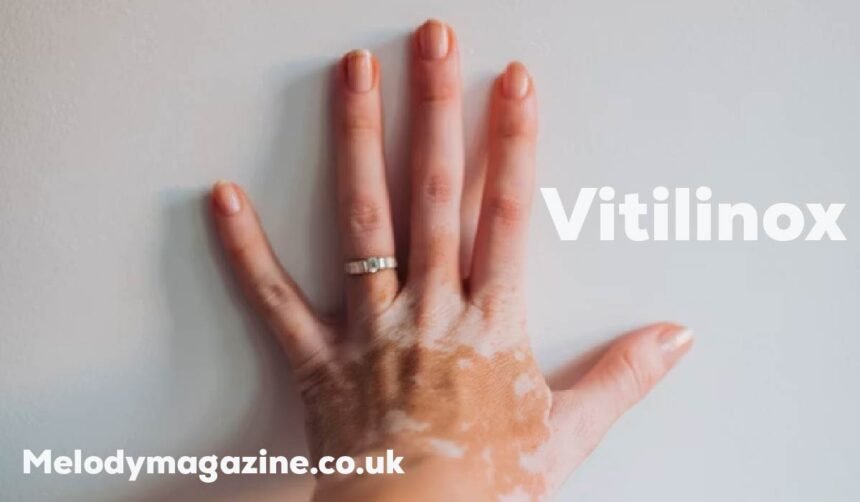
Living with vitiligo often brings many questions. Can a cream help restore skin colour? How long might results take? Is a product safe to use with other treatments? Vitilinox is a name linked online to products promoted for vitiligo and skin repigmentation. However, reliable information about a product sold under this exact name is limited. It may also be confused with Vitilox, a similarly named brand that offers products for people with vitiligo.
Because similar product names can refer to very different formulas, it is important to check the label carefully before buying or using anything. This guide explains what Vitilinox may be, how products like it are intended to work, and what you should consider before adding one to your skincare routine.
What Is Vitilinox?
Vitilinox appears to be a topical product promoted for people with vitiligo. Vitiligo is a long-term skin condition that causes white or lighter patches to appear when pigment-producing cells stop working properly.
These cells are called melanocytes. They make melanin, the pigment that gives your skin its colour.
Some people may be interested in Vitilinox because they want a product they can use at home. Others may be looking for a gentle skincare option to use alongside medical treatment.
However, there is limited independent information about Vitilinox under this exact name. It may be confused with Vitilox, which is a separate commercial brand. Before buying, confirm the product name, ingredients, manufacturer, and instructions.
Think of it like checking the label on two medicines with similar names. The packaging may look alike, but the products may not be the same.
Why Is Vitilinox Becoming Popular?
Products promoted for vitiligo attract attention because medical treatment can take time and may require regular appointments. Some people also prefer products described as natural or non-invasive.
Online reviews, social media posts, and before-and-after photos can make a product look convincing. Still, these sources do not always provide reliable proof. Lighting, sun exposure, makeup, photo editing, and other treatments can change how the skin appears.
The name Vitilinox may also attract interest because it is similar to the better-known Vitilox brand. This makes it even more important to verify exactly what you are buying.
A trustworthy seller should provide:
- A complete ingredient list
- Clear directions for use
- Safety warnings
- Manufacturer details
- Batch and expiry information
- A clear returns or refund policy
Be cautious when a seller hides important details or promises guaranteed results.
Main Features to Look For
Because there does not appear to be one clearly documented Vitilinox formula, you should judge the exact product in front of you.
Complete Ingredient List
The label should name every ingredient. Avoid products that only mention a “special blend” without explaining what it contains.
This matters because even natural ingredients can cause allergies, irritation, or sun sensitivity.
Product Type
Check whether Vitilinox is a cream, oil, supplement, or combined treatment. A topical product and an oral supplement have different risks and instructions.
Never assume that directions for one version apply to another.
Clear Usage Instructions
The product should explain how much to apply, how often to use it, and which areas to avoid.
Do not rely only on advice from online comments or unofficial sellers.
Safety Information
Look for warnings about sensitive skin, pregnancy, breastfeeding, children, broken skin, allergies, and medication use.
A product that offers no safety guidance should be treated with caution.
Evidence Behind the Claims
Some products contain vitamins, plant extracts, oils, or antioxidants. These ingredients may support general skin care, but their presence does not prove that the finished product can restore pigment.
What matters is whether the complete formula has been properly tested.
How Vitilinox May Work
Products like Vitilinox are often promoted as helping protect the skin and support pigment-producing cells.
One common claim is that antioxidants may help reduce oxidative stress. Oxidative stress happens when unstable molecules called free radicals damage cells faster than the body can protect them.
The proposed process may look like this:
- You apply the cream to the affected skin.
- Moisturizing ingredients support the skin barrier.
- Antioxidants or plant extracts may help protect the skin from irritation or environmental stress.
- If active melanocytes remain in the area, pigment may slowly return.
This is only a general explanation of how such products are often marketed. It does not prove that Vitilinox will produce these results.
Vitiligo is also linked to immune system activity. A moisturizing or antioxidant cream may support the skin, but it may not control the cause of pigment loss.
Results can also depend on where the patches appear. The face may respond differently from the hands, feet, lips, or areas where vitiligo has been present for many years.
How to Use Vitilinox Safely
Always follow the directions on the product label. Do not guess when the instructions are unclear.
- Check the product carefully.
Confirm the spelling, manufacturer, ingredients, batch number, and expiry date. Make sure the packaging matches the seller’s description. - Speak to a healthcare professional.
Show the product to a dermatologist or pharmacist, especially if you use prescription creams, take regular medicine, or receive light therapy. - Do a patch test.
Apply a small amount to a limited area first. Stop using it if you develop strong redness, swelling, blistering, or ongoing itching. - Clean and dry your skin.
Wash the area gently and pat it dry. Avoid harsh scrubs or strongly scented cleansers. - Apply the recommended amount.
More cream does not mean faster results. Using too much may increase irritation. - Protect your skin from the sun.
Use broad-spectrum sunscreen and protective clothing. Skin without pigment can burn more easily. - Track changes slowly.
Take a photo once a month in the same lighting. This gives you a more realistic view than checking every day.
Possible Benefits of Vitilinox
Easy to Use at Home
A topical product may fit easily into your daily skincare routine. You can usually apply it without visiting a clinic.
This may be useful if you want a simple support product, but convenience does not guarantee results.
May Help with Dryness
A well-formulated cream may moisturize dry or sensitive skin. This can make the affected areas feel smoother and more comfortable.
Moisturizing the skin is helpful, but it is not the same as restoring pigment.
Non-Invasive Option
A cream does not involve surgery, injections, or skin grafting. This may appeal to people who prefer to avoid medical procedures.
You should still get a proper diagnosis. Not every pale patch is caused by vitiligo.
May Support an Existing Routine
A gentle skincare product may sometimes be used alongside treatment prescribed by a dermatologist.
However, combining active products can cause irritation. Ask a professional before layering Vitilinox with prescription creams or light therapy.
Limitations and Things to Consider
The main concern with Vitilinox is the lack of clear, independent information about the exact product.
Seller claims should not be treated as medical proof unless they are supported by good research on the finished formula. A study on one ingredient does not show that the complete product will work.
You should also consider the following:
- Results may be slow or may not appear at all.
- Some areas of the body may respond better than others.
- Vitiligo may continue spreading during use.
- Natural ingredients can still cause side effects.
- Supplements may interact with medicines.
- Online products may be counterfeit or poorly stored.
- Prices and availability may vary by seller and country.
Be careful with phrases such as “permanent cure,” “guaranteed repigmentation,” or “visible results in days.” Vitiligo does not respond the same way in every person.
Vitilinox Compared With Other Vitiligo Treatments
Vitilinox appears to be a nonprescription support product. Medical treatments are different because they are selected and monitored by healthcare professionals.
Prescription Creams
Doctors may prescribe corticosteroid creams or calcineurin inhibitors to control inflammation.
These treatments have more medical evidence behind them than most cosmetic creams, but they can also have side effects and must be used correctly.
Ruxolitinib Cream
Ruxolitinib is a prescription cream used for certain people with nonsegmental vitiligo.
It targets part of the immune process linked to pigment loss. Its cost, availability, and approved use differ by country.
Narrowband UVB Phototherapy
This treatment uses controlled ultraviolet light to encourage repigmentation.
It may help some people, but it usually requires repeated sessions. Incorrect use can burn the skin, so home lamps should only be used with professional guidance.
Cosmetic Camouflage
Makeup, self-tanning products, and skin dyes can make patches less visible.
These options do not treat vitiligo, but they offer an immediate cosmetic result. They may suit you if you want temporary coverage while considering other treatments.
Who May Prefer Vitilinox?
Vitilinox may appeal to people who want an easy, non-invasive skincare product.
Medical treatment may be more suitable if your vitiligo is spreading, affects sensitive areas, or causes significant emotional distress. In some cases, supportive skincare and medical treatment can be used together.
Final Thoughts
Vitilinox is promoted as a product for people with vitiligo, but reliable information about the exact formula is limited. It may also be confused with the similarly named Vitilox brand.
Before using it, check the full ingredient list, manufacturer details, safety instructions, and product type. Do not rely on testimonials or before-and-after photos alone.
Vitilinox may help moisturize your skin or support your daily routine, but repigmentation is not guaranteed. Your best next step is to show the product label to a dermatologist or pharmacist before applying it widely.
FAQs
Who may be suitable for Vitilinox?
Vitilinox may interest adults who want a nonprescription skincare product for vitiligo. However, suitability depends on the ingredients, your allergies, the location of your patches, and any treatments you already use. Children, pregnant or breastfeeding people, and those with very sensitive skin should seek medical advice first.
How much does Vitilinox cost?
There is no single reliable price because products with similar names may be sold by different retailers. The cost may also vary by country, package size, shipping fees, and seller. Check that the product has genuine packaging, a full ingredient list, and clear manufacturer information before comparing prices.
Is Vitilinox easy to use?
A topical version should be simple to apply if the label provides clear instructions. You may need to use it regularly on clean, dry skin. Do a patch test first, avoid broken skin, and never apply it more often than the manufacturer recommends.
Is Vitilinox safe?
There is not enough verified information to say that every product sold as Vitilinox is safe. Safety depends on the ingredients, strength, manufacturing quality, and your skin type. Stop using it if you develop lasting burning, swelling, blistering, or a rash.
How long does Vitilinox take to show results?
No reliable timeline can be guaranteed. Vitiligo treatments often take months, and some patches may not repigment. Be cautious of sellers promising results within a fixed number of days or weeks. Monthly photos can help you track changes more accurately.
For Latest Updates: Melody Magazine