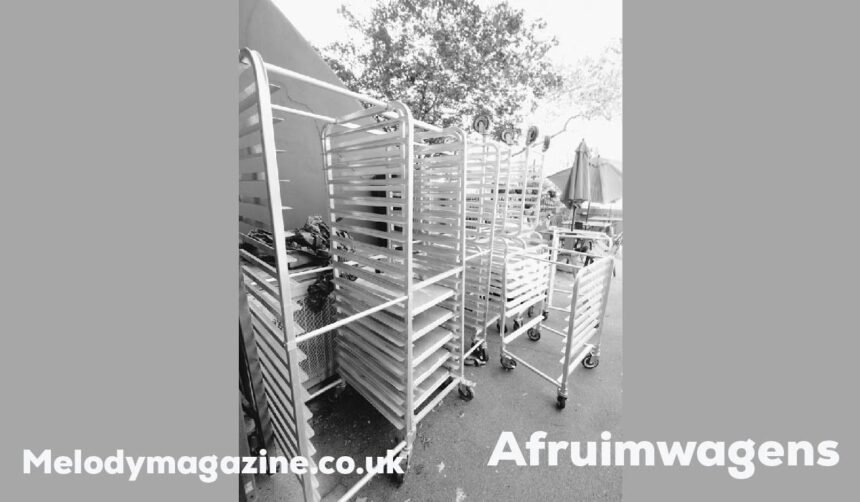
Clearing tables can become tiring very quickly. Plates stack up, glasses need careful handling, and staff may spend a large part of the shift walking between the dining area and the kitchen. An afruimwagen makes that job easier. It is a wheeled cart used to collect and move dishes, trays, cutlery, glasses, and other service items. You will often see these carts in restaurants, hotels, cafeterias, hospitals, and catering venues. This guide explains what afruimwagens are, how they work, the main types available, and what you should check before choosing one.
What Are Afruimwagens?
“Afruimwagens” is the plural of the Dutch word “afruimwagen.” In English, the term roughly means clearing cart or clearing trolley.
An afruimwagen is designed to collect and transport used tableware and service items. Staff can place plates, cups, cutlery, trays, and waste containers on the cart and move everything in one trip.
Think of it as a mobile clearing station. Instead of carrying a small stack of dishes by hand, you can organize several items on one cart and wheel them to the washing area.
Afruimwagens are commonly useful in:
- Restaurants and cafés
- Hotels and banquet halls
- School and workplace cafeterias
- Hospitals and care facilities
- Catering businesses
- Commercial kitchens
People use them because they help reduce repeated walking, keep items organized, and make clearing tasks easier to manage.
Why Are Afruimwagens Commonly Used?
There is little reliable public information about the exact origin of the first afruimwagen. It is more accurate to view it as a practical type of catering and service equipment that developed to make clearing and transport easier.
Busy food-service settings often need to handle many dishes in a short time. A restaurant may need to reset several tables between customers, while a cafeteria may receive a large number of trays during one lunch period.
Without a cart, staff may need to make several trips. An afruimwagen allows them to collect and sort more items at once.
These carts also come in different sizes and layouts. That makes it easier to choose one that fits the room, doorways, workload, and cleaning routine.
Main Types of Afruimwagens
Afruimwagens share the same basic purpose, but their design can vary. The right type depends on what you need to move and where you will use it.
Open-Shelf Afruimwagens
Open-shelf models usually have two or three flat levels. They are suitable for plates, trays, bowls, containers, and general supplies.
The open design makes items easy to load and unload. However, dirty dishes remain visible, which may not suit formal dining rooms or guest-facing areas.
Afruimwagens With Collection Bins
Some carts include removable tubs or containers. These allow staff to separate plates, cutlery, glasses, and food waste.
Sorting items during collection can make unloading easier. Removable bins are also simple to empty and clean.
Enclosed Afruimwagens
Enclosed carts hide used dishes behind panels or doors. They are often chosen for hotels, conference venues, and other places where appearance matters.
The main drawback is that enclosed sections can be harder to clean. Before buying one, check that staff can easily reach the inside surfaces.
Stainless-Steel Afruimwagens
Stainless steel is widely used in professional kitchens. It is strong, resists corrosion, and can be cleaned regularly.
These carts may be heavier than plastic models. Metal shelves can also be noisy when plates, trays, or cutlery are placed directly on them.
Plastic Afruimwagens
Plastic carts are usually lighter and quieter. Many have molded shelves with raised edges that help contain small spills.
Build quality can differ between models. A lightweight cart may be suitable for occasional use but not for heavy loads in a busy kitchen.
Afruimwagens With Dish or Glass Racks
Some carts are designed to hold dishwashing racks, glass baskets, or standard serving trays. These features can help protect fragile items and keep them organized.
Check the measurements before buying. The racks and trays you already use may not fit every cart.
Key Features to Look For
A good afruimwagen should match your daily work. The following features are worth checking:
- Shelf layout: Choose enough space for the items you normally collect.
- Raised edges: These can help stop trays or containers from sliding.
- Removable bins: Useful for sorting cutlery, waste, glasses, or small items.
- Strong wheels: Smooth casters make the cart easier to steer.
- Wheel brakes: Brakes help keep the cart steady while it is being loaded.
- Comfortable handle: A well-placed handle can improve control.
- Easy-to-clean surfaces: Fewer joints and corners usually mean easier cleaning.
- Suitable load capacity: The cart should safely hold your normal working load.
A larger cart is not always better. It may carry more, but it can also be harder to steer through narrow spaces.
How Does an Afruimwagen Work?
An afruimwagen combines collection, sorting, and transport in one unit.
Before service begins, staff prepare the cart with empty bins, racks, or waste containers. They then move it through the dining or service area and collect used items.
Plates may go on one shelf, glasses in a rack, and cutlery in a separate container. Food waste may be placed in a dedicated bin if this matches the workplace’s hygiene procedures.
When the cart is full, it is taken to the dishwashing or sorting area. Staff unload the items, empty the bins, and clean the cart before using it again.
The process is simple, but good organization makes a difference. When each item has a clear place, staff can work faster and unload the cart more easily.
How to Use an Afruimwagen Safely
- Check the cart before use.
Look at the wheels, shelves, handles, and brakes. Do not use the cart if a wheel is loose or the frame is damaged. - Prepare the bins and racks.
Place the correct containers on the cart before entering the service area. Make sure they sit securely. - Load heavy items on the lower shelves.
Plates, trays, and heavy containers should usually go low down. This helps keep the cart stable. - Keep fragile items separate.
Place glasses and delicate cups in suitable racks. Do not stack heavy plates beside them. - Balance the load.
Spread the weight across the cart. A cart loaded heavily on one side may be difficult to control. - Move slowly in busy areas.
Take extra care near guests, corners, ramps, and doorways. Avoid sudden turns or stops. - Stay within the load limit.
Overloading can damage the frame or wheels and may cause the cart to tip. - Clean the cart after use.
Empty every section and clean all surfaces according to workplace procedures. Pay attention to handles, corners, and wheel areas.
Main Benefits of Afruimwagens
They Reduce Repeated Trips
A cart allows you to collect more items during one clearing round. This can reduce the number of journeys between the dining room and the kitchen.
For example, a staff member may clear several nearby tables before returning to the washing area. The amount of time saved will depend on the layout and the size of the cart.
They Make Sorting Easier
Shelves, racks, and bins give different items their own place. Plates can be separated from glasses, while cutlery and waste can go into smaller containers.
This can make the washing area less cluttered. It may also reduce the time staff spends sorting mixed items later.
They Reduce Hand-Carrying
Carrying stacks of plates can strain your hands, arms, shoulders, and back. A cart carries most of the weight once the items are loaded.
You still need to push, load, and unload it properly. Even so, it can reduce the amount of repeated carrying during a shift.
They Help Keep Work Areas Clear
Used plates and glasses can quickly fill tables, counters, and service stations. An afruimwagen gives staff one place to collect them.
Carts with tubs or raised shelf edges can also help contain small spills. They still need regular cleaning to remain hygienic.
They Support a Clear Work Routine
A well-organized cart gives staff a simple system to follow. Everyone knows where plates, glasses, cutlery, and waste should go.
This can be helpful during busy meal periods, events, and large catering jobs where many items arrive at the washing area at once.
Possible Limitations and Things to Consider
Afruimwagens are useful, but they are not ideal for every space.
A large cart may be difficult to use in narrow aisles or crowded dining rooms. Measure doorways, storage areas, service routes, and the space near the dishwasher before choosing a model.
Noise may also be an issue. Metal shelves, loose cutlery, and stacked plates can create a lot of sound. This may matter in hospitals, hotels, care homes, or formal restaurants.
Cleaning is another important point. Dirt and food residue can collect around wheel housings, joints, handles, and enclosed corners. Choose a cart that staff can clean without too much effort.
Before buying, ask:
- How much weight will the cart carry?
- Will it fit through every doorway?
- Can staff turn it easily in tight spaces?
- Does it need brakes?
- Are replacement wheels available?
- Will existing trays and racks fit?
- Where will the cart be stored?
- How easy is it to clean?
Cost will depend on the size, material, build quality, and included accessories. The cheapest option may not be the best value if it is too small or wears out quickly.
Afruimwagens Compared With Other Options
Afruimwagens vs. Carrying Dishes by Hand
Carrying dishes by hand requires no extra equipment. It may work well in a very small café or in a space where a cart cannot move easily.
The main disadvantage is limited capacity. Staff may need to make more trips, and carrying heavy stacks can become tiring.
An afruimwagen is usually more practical when dishes need to travel farther or when several tables must be cleared together.
Afruimwagens vs. Serving Trays
Serving trays are useful for drinks, meals, and small clearing jobs. They are easy to carry through narrow areas.
However, a tray holds much less than a cart and still places the load on the worker. Many businesses use trays for table service and afruimwagens for larger clearing rounds.
Afruimwagens vs. General Utility Carts
A general utility cart can carry tools, boxes, cleaning products, and other supplies. It may be a good choice when several departments need to share one cart.
A dedicated afruimwagen is usually better suited to tableware. It may include dish tubs, glass racks, raised edges, or cutlery holders.
Choose a utility cart for general transport. Choose an afruimwagen when clearing dishes is the main task.
How to Choose the Right Afruimwagen
Start by looking at how your staff currently clear tables. Notice what they carry, how far they walk, and where delays or spills happen.
Next, measure the route the cart will use. Check the narrowest doorway, the tightest corner, and the available storage space.
Then consider the normal load. A small café may only need a compact two-shelf cart, while a banquet venue may need a larger model with several bins.
Finally, compare materials and wheel quality. Stainless steel may suit frequent kitchen use, while plastic can be a practical choice when low weight and quieter movement matter more.
The best cart is not always the biggest or most expensive one. It is the one that fits your space and daily routine.
Final Thoughts
Afruimwagens are simple wheeled carts that help collect, sort, and transport dishes and other service items. They are commonly used in restaurants, hotels, cafeterias, hospitals, and catering operations.
A suitable cart can reduce repeated trips, cut down on hand-carrying, and keep the clearing process organized. However, the cart must fit your space, workload, and cleaning routine.
Before choosing one, watch how a normal clearing round works in your workplace. Measure the route and note which items staff handle most often. This will help you choose an afruimwagen that solves a real problem instead of getting in the way.
FAQs
Are afruimwagens suitable for small restaurants?
Yes, but you need to choose the right size. A compact cart may work well in a small restaurant, while a large enclosed model could block narrow aisles. Measure the route first. In very tight spaces, staff may use trays at the tables and keep the cart near the kitchen.
How much do afruimwagens cost?
The cost depends on the cart’s size, material, build quality, and accessories. A simple plastic model will usually differ in price from a heavy stainless-steel cart with several bins. Compare current prices from local catering suppliers and include delivery, replacement wheels, and accessories in your budget.
Are afruimwagens easy to use?
Most models are easy to understand, but staff still need basic guidance. They should know how to balance the load, use the brakes, avoid overloading, and clean the cart properly. A cart with smooth wheels and the right dimensions will usually be easier to handle.
Can an afruimwagen carry food waste?
Some afruimwagens include separate waste bins. Food waste should be kept away from clean items and reusable serving equipment. Use sealed or washable containers and follow your workplace’s hygiene rules. Clean the cart promptly if anything leaks or spills.
What size afruimwagen should you choose?
Measure the narrowest doorway and estimate how many dishes are collected during a normal trip. Choose enough capacity to reduce repeated walking, but avoid a cart that is difficult to steer or store. The right size should fit both your workload and your available space.
For Latest Updates: Melody Magazine