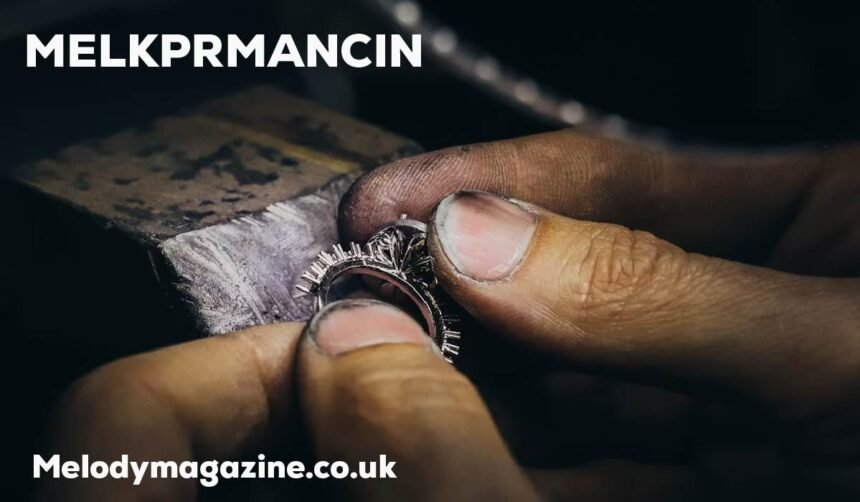
You may have seen the word Melkprmancin in articles about jewelry, art, or creative design. The problem is that its meaning is not always clear. Different writers use the term in different ways, and there is no widely accepted definition.
In most cases, Melkprmancin describes a design approach that values personal meaning, original work, careful craftsmanship, and responsible material choices. It is often linked to custom jewelry and small-scale creative work.
This guide explains what Melkprmancin may mean, how people apply the idea, and what you should consider before buying or creating something under this label.
What Is Melkprmancin?
Melkprmancin is an informal term for design that focuses on individuality, meaning, and craftsmanship. Instead of producing large numbers of identical items, the maker creates something with a personal purpose or story.
Think of the difference between buying a standard necklace from a large store and asking a jeweler to create one using a family stone. Both pieces may look attractive, but the custom necklace has a closer connection to the person wearing it.
Melkprmancin is not a recognized certification, official design method, or established historical movement. It is better understood as a developing idea used to describe thoughtful and personal creative work.
It may interest:
- Jewelry designers who make custom or limited pieces
- Artists who want their work to express a clear idea
- Buyers looking for meaningful objects
- Independent makers who value careful production
- People who want to know more about how materials are sourced
The main appeal is simple. Melkprmancin treats design as more than decoration. It asks why an object matters, how it was made, and what it means to the person who owns it.
Why Is Melkprmancin Becoming Popular?
There is no reliable, widely documented history of Melkprmancin. No confirmed founder, school, or design movement is clearly connected to the term.
However, the ideas behind it match several changes in the way people shop. Many buyers now want products that feel personal rather than identical to everything else on the market.
A ring engraved with a private message, for example, may feel more valuable than a fashionable ring made in large numbers. Its value comes partly from the memory or relationship it represents.
People are also paying more attention to how products are made. They may ask where materials came from, who made the item, and whether the production process caused unnecessary harm or waste.
Independent makers are also easier to find online. Buyers can view their work, ask questions, discuss custom ideas, and sometimes follow the production process from the first sketch to the final piece.
These changes help explain why Melkprmancin has attracted attention, even though the word itself still has no fixed meaning.
Main Features of Melkprmancin Design
Because Melkprmancin has no official rules, its features can vary. Still, the term is usually linked to several common ideas.
- Personal meaning: The object connects to a memory, belief, relationship, or part of your identity. Its meaning matters as much as its appearance.
- Original design: The maker avoids copying a common product. The piece may be custom-made, produced in small numbers, or adjusted for each buyer.
- Careful craftsmanship: The maker pays attention to construction, shape, finish, and small details. Handwork may be involved, but it is not always required.
- Material awareness: The designer considers where the materials came from and how they affect people and the environment.
- Collaboration: The buyer may help choose symbols, stones, colors, shapes, or materials.
- Long-term use: The object is often designed to be kept, repaired, or passed on rather than quickly replaced.
In jewelry, this could mean a pendant based on a child’s drawing, a ring made from an old family piece, or a bracelet designed around an important life event.
How Melkprmancin Works
Melkprmancin is more of a design approach than a visual style. A piece does not need to look handmade, rustic, modern, expensive, or unusual.
The process usually begins with meaning. The maker or buyer decides what the object should represent.
The next step is turning that idea into a design. This may involve choosing a shape, material, size, texture, color, or symbol.
The design must also work in real life. The maker needs to consider comfort, strength, price, available tools, and how the item will be used.
For example, a ring designed to represent resilience might include metal from an older family piece. The story is important, but the jeweler must still make sure the material is strong enough for daily wear.
The final piece should match its original purpose. It should communicate the intended meaning, suit the wearer, and be safe and practical to use.
How to Use the Melkprmancin Approach
- Define the purpose.
Decide why you want the object. You may be marking a wedding, remembering someone, celebrating a milestone, or expressing your personal style. - Choose one main idea.
Focus on a single memory, symbol, material, or story. Too many ideas can make the final design feel crowded. - Set a budget and deadline.
Decide how much you can spend and when you need the item. Custom work often takes longer than buying something ready-made. - Find the right maker.
Review examples of their previous work. Ask who will make the piece, what materials they use, and how the design process works. - Check material claims.
Do not rely only on words such as “ethical,” “green,” or “sustainable.” Ask what those claims mean and whether the maker can support them. - Share clear references.
Show the maker examples of shapes, colors, or details you like. Use them as inspiration rather than asking for an exact copy of someone else’s work. - Approve the final details.
Check measurements, spelling, engraving, materials, finishes, and stone choices before production begins. - Ask about care and repairs.
Find out how to clean, store, resize, or repair the piece. This is especially important if you plan to wear it often.
Main Benefits of Melkprmancin
It Feels More Personal
A design based on your own story can feel more meaningful than a standard product. You are choosing it for a reason, not simply because it is popular.
For example, a pendant made from a damaged family brooch can preserve the memory connected to the original piece while making it easier to wear.
It Encourages Thoughtful Buying
The Melkprmancin approach asks you to think about why you want an object before purchasing it.
This may help you avoid buying items that quickly lose their appeal. You may decide that one well-made piece suits you better than several similar products.
It Supports Collaboration
Working directly with a designer allows you to take part in the creative process.
You can explain your idea, ask questions, and receive advice about materials, size, comfort, and construction. The designer then uses their skills to turn your idea into something practical.
It Can Support Repair and Reuse
Some Melkprmancin projects reuse stones, metals, or parts from older objects.
This can preserve sentimental value and reduce the need for new materials. However, old materials must be checked carefully because not every item can be reused safely.
It Gives Independent Makers More Flexibility
Small studios may be able to adapt designs, test unusual ideas, and work closely with buyers.
This does not mean every independent maker produces better work. It simply means smaller production can make personal changes and direct communication easier.
Possible Limitations and Things to Consider
The main problem with Melkprmancin is that the term has no standard definition. One seller may use it for custom jewelry, while another may use it for any handmade-looking product.
The label alone does not prove that an item is original, well-made, sustainable, or ethically sourced.
Custom work may also cost more. The price can include design meetings, sketches, revisions, specialist labor, and small material orders.
It may take longer as well. A custom piece often goes through several stages, and delays can happen if materials are unavailable or the design needs changes.
You should also ask practical questions about comfort and durability. A material may have personal meaning but still be unsuitable for daily wear.
Some stones scratch easily. Certain finishes fade over time, and some metals may cause skin irritation.
Before placing an order, ask:
- What does Melkprmancin mean in this design?
- Who will make the piece?
- Where do the materials come from?
- How many design changes are included?
- What happens if the item does not fit?
- Can it be repaired or resized later?
- What is included in the final price?
Melkprmancin Compared With Alternatives
Melkprmancin vs. Mass-Produced Design
Mass-produced items are made in larger quantities using the same design and process. They are usually easier to find, faster to buy, and available at many price points.
Melkprmancin-style work places more attention on personal meaning and individual details. It may suit you when the story behind the object matters.
Mass-produced design may be a better choice when you need something simple, affordable, or available immediately.
Melkprmancin vs. Bespoke Design
Bespoke design means an item is made for one customer. This is similar to Melkprmancin, but the two ideas are not exactly the same.
A bespoke item can be fully customized without including a personal story or responsible sourcing. A Melkprmancin-style piece may focus on meaning and materials but not be made completely from scratch.
Bespoke design may suit you when exact customization is your main goal. Melkprmancin may appeal more when story, process, originality, and material choices all matter.
Melkprmancin vs. Sustainable Design
Sustainable design aims to reduce environmental and social harm. It may include recycled materials, less waste, durable construction, or products that are easier to repair.
Melkprmancin may include these ideas, but it is not automatically sustainable.
A deeply personal item can still use materials with an unclear source. Look for clear information rather than assuming the label guarantees responsible production.
Final Thoughts
Melkprmancin is best understood as an informal design idea built around personal meaning, originality, craftsmanship, and thoughtful choices.
It can be useful when you want jewelry or creative work that reflects your story. However, the term does not guarantee quality, ethical sourcing, or sustainability.
Your next step is to decide what you want the object to represent. Then look for a maker who can clearly explain the materials, price, design process, limitations, and care requirements.
Frequently Asked Questions
Is Melkprmancin suitable for everyday jewelry?
It can be, but the design and materials must suit regular use. Everyday jewelry should be comfortable, strong, and easy to maintain. Tell the jeweler how often you plan to wear the piece so they can recommend suitable metals, stones, settings, and finishes.
How much does Melkprmancin jewelry cost?
There is no standard price because Melkprmancin is not a fixed product type. The cost may depend on the materials, design complexity, labor, gemstones, and number of revisions. Ask for a written quote that explains what is included before you approve the project.
Is Melkprmancin easy for beginners to understand?
Yes. You can think of it as a way to create or choose something that has personal meaning. Start with one clear idea, decide on your budget, and explain how the object will be used. A skilled maker can guide you through the technical decisions.
Is Melkprmancin always sustainable?
No. The term does not prove that an item is environmentally responsible or ethically produced. Ask the maker where the materials came from, whether anything was reused, and what steps were taken to reduce waste. Clear answers are more useful than broad claims.
What results can you expect from Melkprmancin?
You may receive a piece that feels more personal, symbolic, or original than a standard product. The result depends on the maker’s skill, the materials, your budget, and how clearly you communicate your ideas. Reviewing measurements, sketches, and final details can help prevent misunderstandings.
For Latest Updates: Melody Magazine